Today Ignalina is known as the gateway to Aukštaitija National Park, but its history as a town is relatively short — it began not with a castle or a church village, but with railway tracks.
A land older than the town
Although Ignalina itself is young, the land around it has been settled for a long time. Stripeikiai village, home today to the beekeeping museum, is considered one of the area's oldest villages — it's mentioned as far back as 1357 in the Livonian Chronicles. The nearby Ginučiai and Papiliakalnė hillforts, along with Stone and Bronze Age burial mounds, show that people lived here in the Middle Ages, if not earlier.
Vidiškiai — the parish Ignalina's surroundings originally belonged to — is recorded in written sources from 1675. The name "Ignalina" itself first appears in writing (in parish records) in 1840 — at the time, it was simply the land of Ignas Kaminskis's farmstead, not a settlement.
The railway builds a town
Ignalina's history as a settlement really begins in 1857–1862, when tsarist authorities purchased land from Ignas Kaminskis's farmstead to build the St. Petersburg–Warsaw railway line. The stretch was completed in 1860, and on 17 September the first train passed through Ignalina.
In 1862 the Ignalina railway station building was constructed — a small, 4th-class wooden building between the Švenčionėliai and Dūkštas stations. A settlement grew up around the station: by 1866 it already had 85 residents, including 9 of Jewish descent. That's how a railway stop gradually grew into a town.
From a chapel village to a town
In 1929 the settlement's first wooden chapel was built — the beginning of Ignalina's parish. In 1938 construction began on a larger brick church, but the Second World War interrupted the work. After the Soviet authorities confiscated the unfinished building, the parish community was forced from 1961 to gather in a residential building instead.
In 1950 Ignalina was granted town status. It was only after Lithuania regained independence — in 1988–1990 — that the current brick Church of the Nativity of the Blessed Virgin Mary was designed and construction began; it was consecrated by Archbishop Audrys Juozas Bačkis on 26 December 1999.
The oldest national park in Lithuania
On 29 March 1974, Aukštaitija National Park was established — the oldest national park not just in Lithuania, but in all of the Baltic states. Its territory holds about 126 lakes, dense pine and spruce forest, and two strict nature reserves. Founding the park essentially turned Ignalina into a tourist destination — the town became the natural gateway to the park.
A nuclear power plant nearby
Construction work on the Ignalina Nuclear Power Plant began in the 1970s — but the plant itself was not built in Ignalina. It was built by Lake Drūkšiai, in the newly founded town of Visaginas (1975), roughly 35–50 km from Ignalina. The plant was named after Ignalina because, at the time of construction, Ignalina was the nearest known railway station and settlement in the region.
The first power unit was launched at the end of 1983, the second in 1987. After Lithuania joined the European Union, the plant was shut down for safety reasons (it used the same reactor type as Chernobyl) — the first unit in 2004, the second at the end of 2009. Decommissioning work continues to this day.
Ignalina today
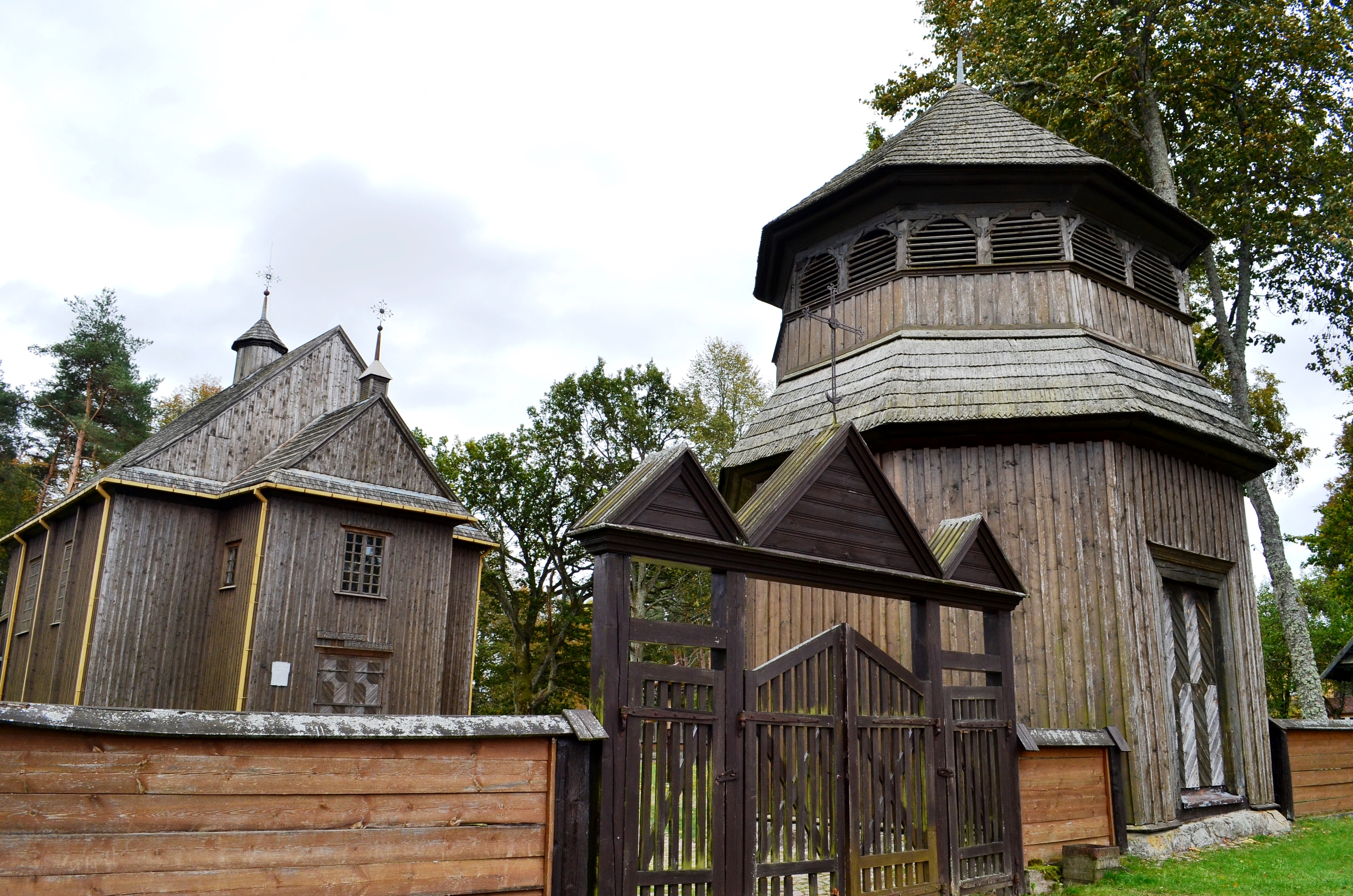
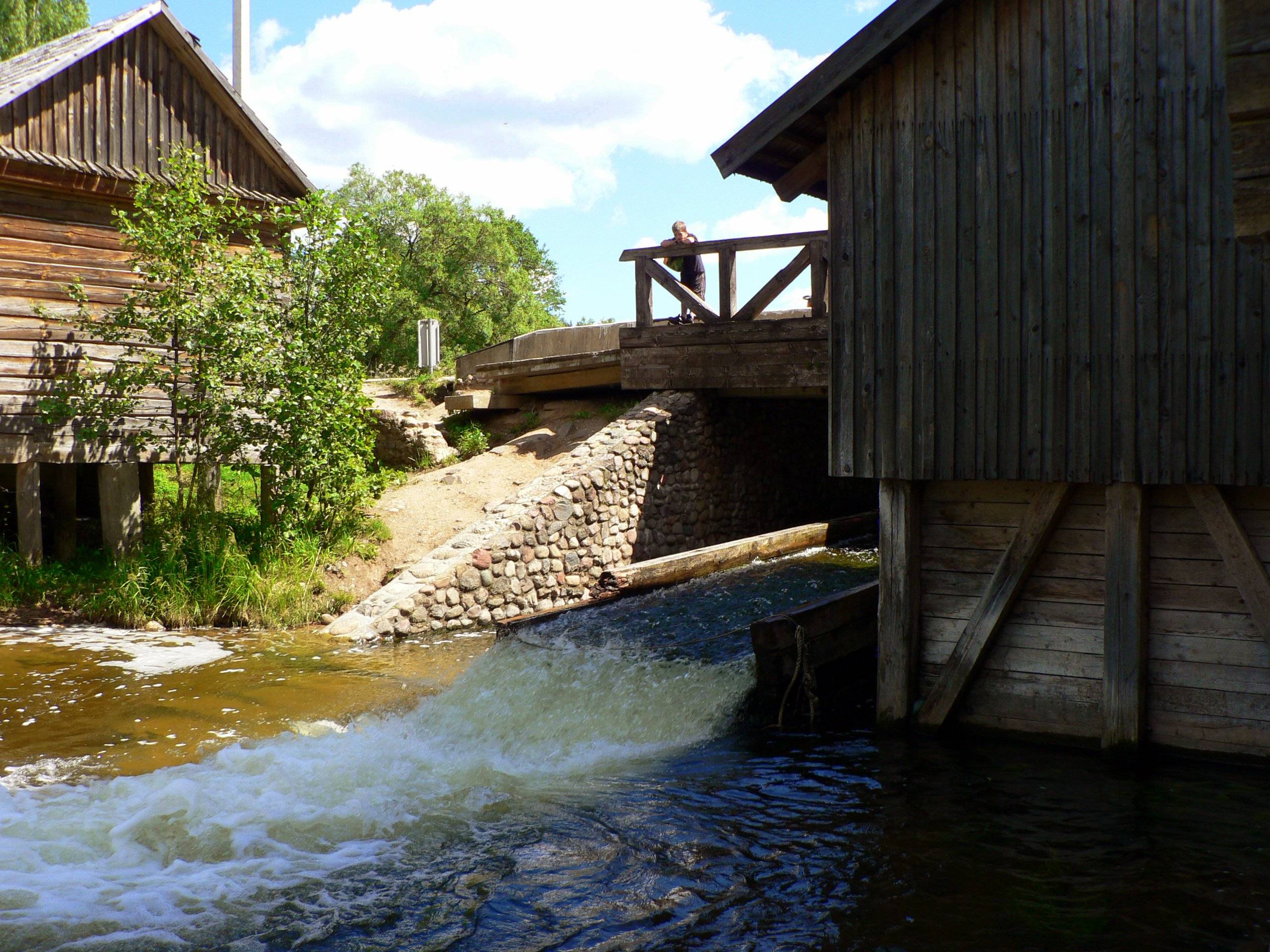
In 2012 the Ignalina Regional Museum was founded, showcasing the area's ethnographic heritage and 20th-century history. Today Ignalina is a small but lively town whose main significance for tourism is as the gateway to Aukštaitija National Park: the Ladakalnis viewpoint, the Palūšė church, the Ginučiai mill, and hundreds of lakes in the surrounding countryside.